


Tissue Repair Research
BPC-157 and TB-500 are commonly discussed in research related to tissue repair, cellular migration and recovery processes, although they are distinct compounds with different biological targets.
Explore Dragon Pharma peptides commonly researched in connection with tissue repair, recovery, inflammatory signaling and cellular support. Compare individual compounds, strengths, formulations and available laboratory documentation below.
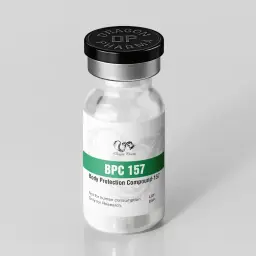
Peptide Research Compound
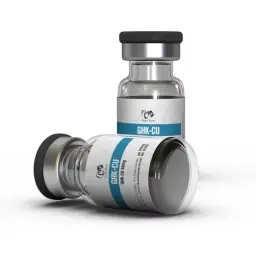
Copper Peptide / Tissue Research
Tissue Repair Peptide Combination
Tissue Repair Peptide Blend
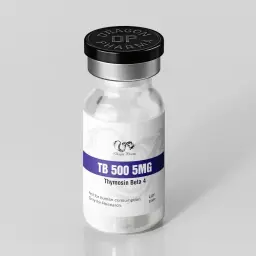
Thymosin Beta-4 Fragment
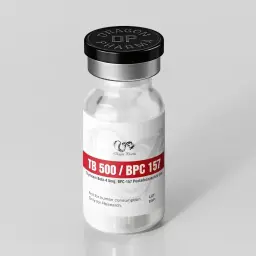
Tissue Repair Peptide Blend
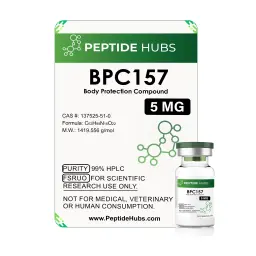
Peptide Research Compound
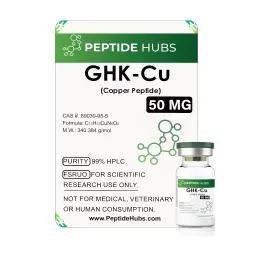
Copper Peptide / Tissue Research
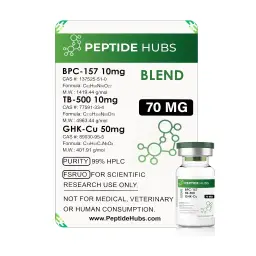
Tissue Repair Peptide Combination
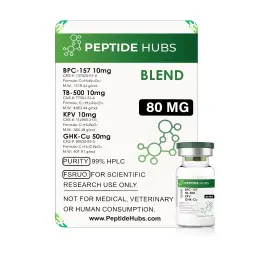
Tissue Repair Peptide Blend
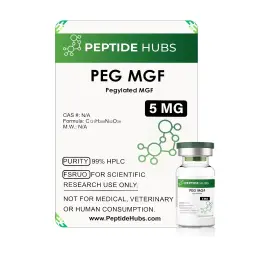
Trade Name: PEG MGF 5 mg
Compound: Pegylated MGF
Strength: 5 mg/vial
Container: 2 mL Vial
Manufacturer: Peptide Hubs
Lab Tested: View Result
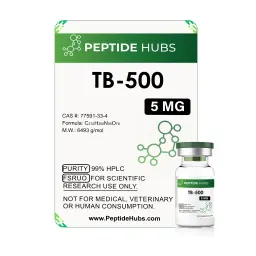
Thymosin Beta-4 Fragment

Tissue Repair Peptide Blend
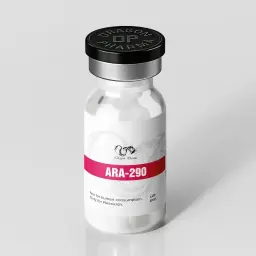
Peptide Research Compound (Innate Repair Receptor Agonist)
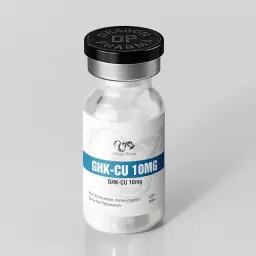
Copper Peptide / Skin and Tissue Peptide
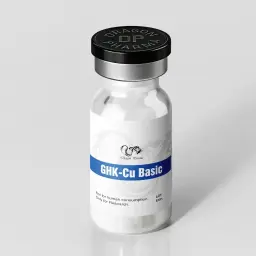
Peptide Research Compound (Copper Peptide)
Product Information
This category includes Dragon Pharma peptides associated with research into tissue repair, cellular recovery, inflammatory pathways and related biological processes. The compounds grouped here act through different mechanisms, so they should be compared by active substance, formulation and available evidence rather than treated as interchangeable recovery products.
BPC-157 and TB-500 are commonly discussed in research related to tissue repair, cellular migration and recovery processes, although they are distinct compounds with different biological targets.
GHK-Cu is a copper-binding peptide studied in areas that include tissue remodeling, skin biology and wound-related processes. Several strengths and product formats are available.
Compounds such as KPV and ARA-290 are researched through pathways associated with inflammatory signaling, tissue protection and cellular responses to stress or injury.
The amount and type of research varies substantially between BPC-157, TB-500, GHK-Cu, KPV, ARA-290 and LL-37. Each compound should therefore be reviewed on its own evidence and safety profile.
Products in this category share a broad connection to recovery or tissue-support research, but that does not mean they act in the same way. Some are studied for signaling involved in tissue remodeling, while others are associated with inflammatory pathways, cellular migration, antimicrobial activity or tissue-protective mechanisms.
Most products in this category contain a single active peptide, but combination products are also available. The TB-500/BPC-157 blend contains two separate compounds, so the labeled amount of each component should be checked individually rather than reading the vial's total content as a single active substance.
Combination products can also appear in the broader Peptide Blends category, while remaining relevant here because both active components are commonly associated with recovery-related research.
Where laboratory testing is available, individual product pages display the published report together with the test date, measured result and reported batch information. These details can be compared with the product being viewed when a corresponding batch number is available.
A laboratory result applies to the submitted sample. It does not independently confirm every individual vial and should not be interpreted as evidence of safety, effectiveness or suitability for a specific person.
Peptide storage requirements depend on the compound, supplied format and whether a product remains in its original lyophilized form or has been reconstituted. The storage instructions supplied with the individual product should take priority over general guidance.
Check the individual listing for product-specific container information, storage notes and any other handling details provided for that formulation.

