


Skin & Tissue Research
GHK-Cu is a copper-binding peptide commonly studied in areas involving skin biology, tissue remodeling and wound-related processes.
Explore Dragon Pharma cosmetic peptides associated with skin, pigmentation and appearance-related research. Compare GHK-Cu, Melanotan products and other cosmetic-focused formulations by strength, format and available documentation.
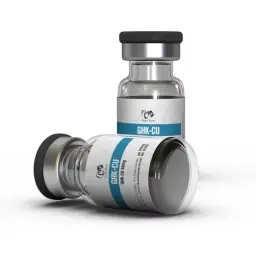
Copper Peptide / Tissue Research
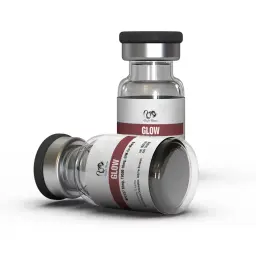
Tissue Repair Peptide Combination
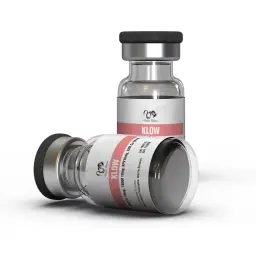
Tissue Repair Peptide Blend
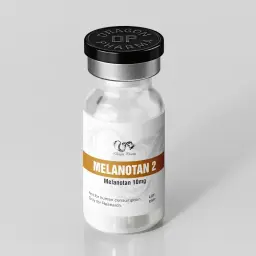
Melanocortin Peptide (Tanning Research Compound)
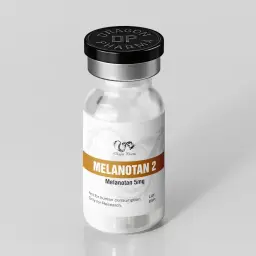
Melanocortin Peptide (Tanning Research Compound)
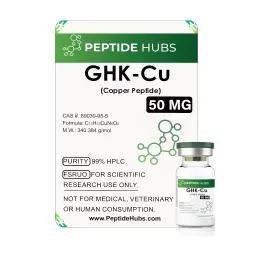
Copper Peptide / Tissue Research
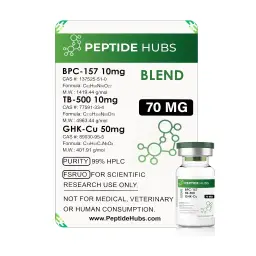
Tissue Repair Peptide Combination
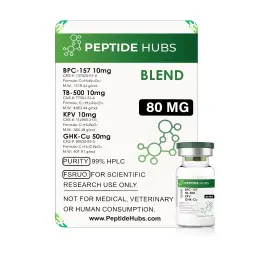
Tissue Repair Peptide Blend
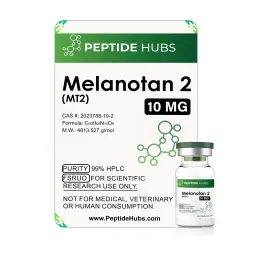
Melanocortin Peptide (Tanning Research Compound)
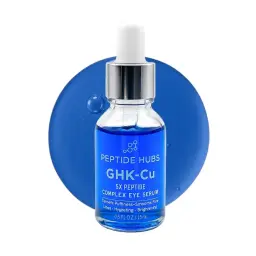
Trade Name: GHK-Cu Eye Serum
Compound: GHK-Cu
Strength: 0.5 FL OZ / 15 mL
Container: Bottle
Manufacturer: Peptide Hubs
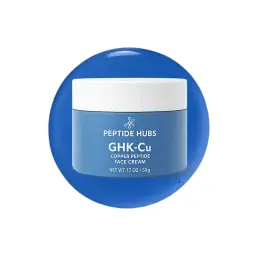
Trade Name: GHK-Cu Face Cream
Compound: GHK-Cu
Strength: 17 OZ / 50 g
Container: Bottle
Manufacturer: Peptide Hubs
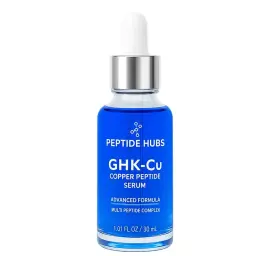
Trade Name: GHK-Cu Facial Toner
Compound: GHK-Cu
Strength: 1.01 FL OZ / 30 mL
Container: Bottle
Manufacturer: Peptide Hubs
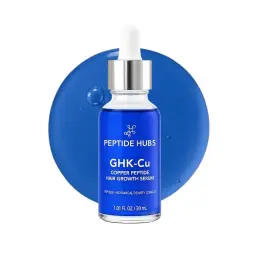
Trade Name: GHK-Cu Hair Serum
Compound: GHK-Cu
Strength: 1.01 FL OZ / 30 mL
Container: Bottle
Manufacturer: Peptide Hubs
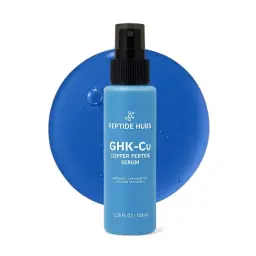
Trade Name: GHK-Cu Renewal Toner
Compound: GHK-Cu
Strength: 3.38 FL OZ / 100 mL
Container: Bottle
Manufacturer: Peptide Hubs
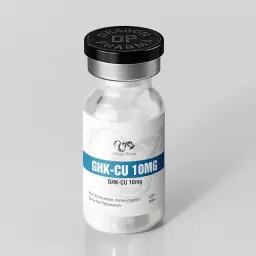
Copper Peptide / Skin and Tissue Peptide
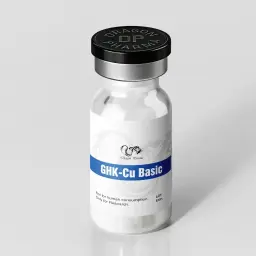
Peptide Research Compound (Copper Peptide)
Product Information
This category brings together Dragon Pharma peptides commonly associated with skin biology, pigmentation, tissue remodeling and appearance-related research. The compounds grouped here have different mechanisms and research backgrounds, so they should be compared by active substance and formulation rather than treated as interchangeable cosmetic products.
GHK-Cu is a copper-binding peptide commonly studied in areas involving skin biology, tissue remodeling and wound-related processes.
Melanotan 1 and Melanotan 2 are melanocortin-related peptides associated with pigmentation research, but they differ in structure, receptor activity and research profile.
Multi-component products such as GLOW and KLOW combine more than one active ingredient, so their individual composition and labeled strengths should be reviewed separately.
Research varies substantially across cosmetic peptide products. Skin, pigmentation and tissue-related findings should be reviewed on a compound-by-compound basis.
"Cosmetic peptide" is a useful browsing category rather than a single scientific class. Products grouped here may be associated with skin signaling, copper-peptide biology, pigmentation or multi-component cosmetic formulations.
Start with the active compound and formulation rather than comparing products by vial strength alone. A copper peptide and a melanocortin-related peptide may both appear in the cosmetic category while acting through completely different biological pathways.
Individual product pages provide the strength, container information, product format and available supporting documentation needed for a more useful comparison.
Where laboratory testing is available, the individual product page displays the relevant report together with details such as the test date, measured result and available batch information.
A laboratory report describes the submitted sample and does not establish cosmetic effectiveness, safety or suitability for a particular person.
Storage requirements can vary by compound and supplied format. Follow the storage information provided with the individual product rather than applying the same handling instructions to every cosmetic peptide.

