


Orlistat Products
Orlistat is commonly supplied in oral capsule form. Check the labeled amount per capsule and total package quantity on each individual product listing.
Gastrointestinal Lipase Inhibitor
Browse Orlistat products and compare labeled capsule strengths, package quantities, manufacturers, published lab reports and current USA Domestic or International Warehouse availability.
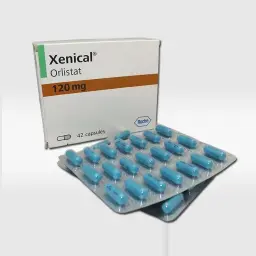

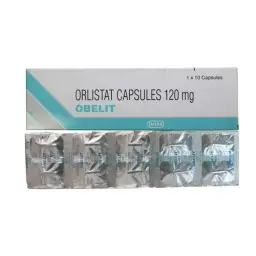



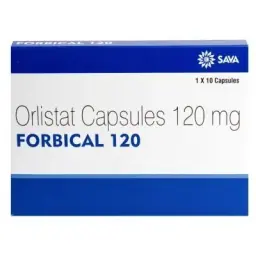



Gastrointestinal Lipase Inhibitor
The Orlistat category brings together available products containing this gastrointestinal lipase inhibitor. Orlistat is a weight-management medicine that reduces the absorption of some dietary fat rather than acting as a stimulant or thyroid hormone. Browse available products and compare labeled strengths, package quantities, manufacturers, published laboratory testing, pricing and USA Domestic or International warehouse availability.
Orlistat is commonly supplied in oral capsule form. Check the labeled amount per capsule and total package quantity on each individual product listing.
Products can differ in labeled strength, package quantity and manufacturer even when they contain the same active pharmaceutical ingredient.
Where laboratory reports are available, individual product pages provide access to measured results, testing dates and reported batch information.
Orlistat products may be stocked in the USA Domestic Warehouse, International Warehouse or both depending on current inventory.
Orlistat is a medicine used for weight management that belongs to a class known as gastrointestinal lipase inhibitors. Unlike substances that act primarily through the central nervous system, adrenergic receptors or thyroid hormones, Orlistat works mainly within the digestive tract.
Its pharmacological effect is based on reducing the digestion and subsequent absorption of a portion of the fat consumed in food. Orlistat is therefore not an anabolic steroid, thyroid hormone or stimulant.
Orlistat identifies the active pharmaceutical ingredient. Xenical and Alli are well-known brand names associated with Orlistat in different strengths and regulatory contexts.
Generic and manufacturer-specific Orlistat products may use other branding and package configurations. When comparing products, check the active substance, labeled strength, package quantity and manufacturer rather than relying solely on the brand name.
Dietary triglycerides normally need to be broken down into smaller components before they can be absorbed efficiently. Enzymes known as gastric and pancreatic lipases play an important role in this process.
Orlistat inhibits these lipases within the gastrointestinal tract. As a result, some dietary triglycerides are not broken down into absorbable fatty acids and monoglycerides and instead pass through the digestive system.
This local gastrointestinal mechanism distinguishes Orlistat from many other substances commonly associated with fat loss or weight management.
Orlistat's effects are directly related to the digestion of dietary fat. It does not prevent absorption of every calorie consumed and does not block carbohydrates or protein.
The amount and distribution of dietary fat can also influence gastrointestinal tolerability. Meals containing larger amounts of fat can make gastrointestinal adverse effects more noticeable.
This relationship between the medicine and meal composition is an important part of understanding Orlistat and distinguishes it from products that primarily alter appetite or metabolic signaling.
When browsing Orlistat products, useful comparison points include the labeled amount per capsule, total capsule count, manufacturer, current price, warehouse location and published laboratory testing where available.
Products containing Orlistat can use different manufacturer-specific branding, package quantities and labeled strengths. Review the complete product specification rather than comparing products by package design or price alone.
The labeled mg-per-capsule strength identifies the amount of Orlistat stated in each capsule. Package quantity separately identifies the total number of capsules supplied.
Two Orlistat products can therefore contain the same active ingredient while differing in labeled strength or package quantity. Both specifications should be checked when comparing available products.
Selected Orlistat products may have published laboratory reports that provide an additional reference point when comparing the labeled specification with the measured result reported for a submitted sample.
Where testing is available, review the identified active substance, measured result, testing date and reported batch number. If multiple reports have been published, results from different batches or testing dates can be reviewed individually.
Each laboratory report applies to the submitted sample identified in that analysis. A result from one sample does not independently verify every capsule, package or future production batch.
Orlistat has an established medical role in weight management when used in appropriate individuals together with dietary and lifestyle measures.
Its role differs from the idea of a short-term stimulant-based "fat burner." Orlistat works on the absorption of dietary fat and does not need to increase adrenergic stimulation to produce its intended pharmacological effect.
Individual suitability can depend on body weight, medical history, diet, other medicines and conditions that affect digestion or nutrient absorption.
Orlistat and Clenbuterol may both appear within a broader fat-loss catalog, but their pharmacology is fundamentally different.
Orlistat acts primarily in the gastrointestinal tract by inhibiting lipases and reducing absorption of some dietary fat. Clenbuterol is a beta-2 adrenergic agonist with systemic adrenergic and cardiovascular effects.
Orlistat also has established weight-management indications, whereas Clenbuterol is not FDA-approved for human weight loss in the United States. Grouping the two substances simply as "fat burners" therefore overlooks major differences in mechanism and regulatory status.
Orlistat is also pharmacologically distinct from thyroid hormones such as Levothyroxine (T4) and Liothyronine (T3).
T3 and T4 participate in thyroid-hormone signaling and influence metabolism throughout the body. Orlistat does not increase thyroid-hormone activity; its primary action occurs within the digestive system.
This distinction matters when browsing products grouped commercially around body composition, because similar category placement does not imply similar biological effects.
Orlistat may attract interest in fitness and physique settings because reducing absorption of some dietary fat can contribute to weight-management strategies. However, its mechanism is not specifically targeted at bodybuilding or preservation of lean muscle.
Changes in body weight are influenced by overall energy balance, diet, activity and individual physiology. Preventing absorption of a portion of dietary fat does not remove the importance of these factors.
Orlistat also does not reproduce the metabolic effects of thyroid hormones or the adrenergic effects associated with stimulant-like substances. Understanding these differences is more useful than treating every product associated with weight loss as part of the same pharmacological group.
Because Orlistat changes how dietary fat is digested and absorbed, many of its characteristic adverse effects involve the gastrointestinal system.
These can include oily spotting, fatty or oily stools, increased bowel movements, fecal urgency and intestinal gas with discharge. Such effects can become more noticeable when meals contain larger amounts of fat.
These gastrointestinal effects are closely connected to the intended mechanism of the medicine rather than being unrelated side effects.
Reducing dietary-fat absorption can also reduce absorption of certain fat-soluble vitamins, including vitamins A, D, E and K.
Nutritional status is therefore an important consideration during Orlistat treatment. Product labeling may include guidance concerning multivitamin supplementation and separation of supplementation from the medicine.
This interaction with nutrient absorption is another reason Orlistat should be viewed as a pharmacologically active weight-management medicine rather than as a simple calorie-blocking supplement.
Orlistat can interact with certain medicines directly or indirectly through changes in absorption. This can be especially important for medicines where relatively small changes in exposure can affect treatment.
Examples of clinically relevant considerations can include anticoagulant therapy, thyroid-hormone replacement and certain other prescription medicines. Individual medication lists should therefore be reviewed when Orlistat is being considered medically.
For people taking Levothyroxine, the potential interaction is particularly relevant because thyroid-hormone treatment depends on consistent absorption and appropriate laboratory monitoring.
Orlistat is a pharmacologically active medicine and can cause clinically significant adverse effects. Its most characteristic effects involve the gastrointestinal tract and are related to unabsorbed dietary fat.
Because Orlistat can affect nutrient and medication absorption, existing medical conditions, diet, supplements and concurrent medicines can all be relevant.
Rare but more serious adverse events have also been reported, and persistent or concerning symptoms warrant appropriate medical evaluation. Orlistat is not suitable for everyone, including people with certain disorders involving chronic malabsorption or bile flow.
A published laboratory report can provide information about an analyzed product sample but does not establish that taking Orlistat is medically appropriate or safe for an individual. This category is intended for product identification and comparison and does not provide individualized weight-loss or dosing guidance.
The term "fat burner" can be misleading when applied to Orlistat. It does not primarily stimulate the body to burn stored fat. Instead, it reduces digestion and absorption of a portion of dietary fat.
This mechanism distinguishes Orlistat from adrenergic substances such as Clenbuterol and thyroid hormones such as T3 and T4.
Describing Orlistat as a gastrointestinal lipase inhibitor or weight-management medicine therefore provides a more accurate picture of how it works.
Orlistat products may be available from the USA Domestic Warehouse, the International Warehouse, or both. Available manufacturers, strengths and stock levels can differ between warehouse locations.
For delivery within the United States, USA Domestic shipments typically take 4–5 business days after dispatch, while International Warehouse shipments typically take 15–20 business days after dispatch.
Delivery estimates begin after dispatch and do not include order processing time. Additional delivery, tracking and reship information is available on the Shipping Information page.
Bitcoin and other supported cryptocurrencies are available at checkout. When comparing Orlistat products, review the manufacturer, labeled strength, package quantity, current price, available laboratory reports and warehouse location.
Payment options and warehouse availability do not determine whether Orlistat is medically appropriate for an individual. Where the store's separate crypto discount applies, eligibility depends on the current pricing status of the product.

