


Levothyroxine Tablets
Levothyroxine is commonly supplied as an oral tablet. Check the labeled amount per tablet and unit of measurement on each individual product listing.
Synthetic Thyroid Hormone (T4)
Browse Levothyroxine (T4) products and compare labeled tablet strengths, package quantities, manufacturers, published lab reports and current USA Domestic or International Warehouse availability.

Thyroid Hormone
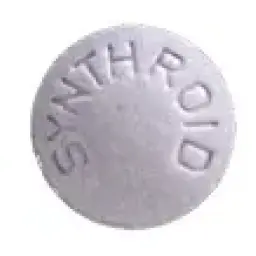
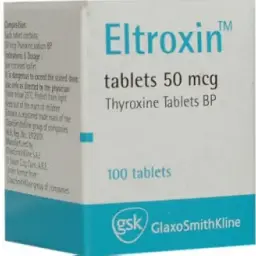
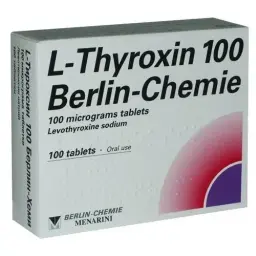

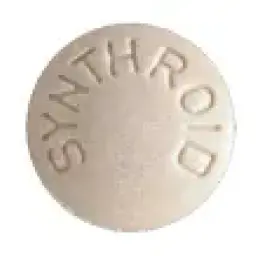
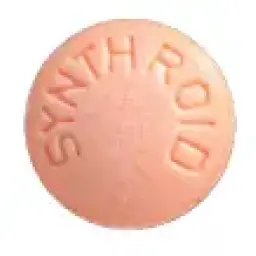

Synthetic Thyroid Hormone (T4)
The Levothyroxine category brings together available products containing synthetic thyroxine, commonly known as T4. Levothyroxine replaces or supplements the thyroid hormone normally produced by the thyroid gland and is primarily associated with the treatment of hypothyroidism. Browse available products and compare labeled tablet strengths, package quantities, manufacturers, published laboratory testing, pricing and USA Domestic or International warehouse availability.
Levothyroxine is commonly supplied as an oral tablet. Check the labeled amount per tablet and unit of measurement on each individual product listing.
Products can differ in labeled strength, package quantity and manufacturer even when they contain the same thyroid hormone.
Where laboratory reports are available, individual product pages provide access to measured results, testing dates and reported batch information.
Levothyroxine products may be stocked in the USA Domestic Warehouse, International Warehouse or both depending on current inventory.
Levothyroxine is a synthetic form of thyroxine, one of the principal hormones normally produced by the thyroid gland. Thyroxine is commonly abbreviated as T4.
Levothyroxine is primarily used as thyroid hormone replacement when the body does not produce sufficient thyroid hormone. It is not an anabolic steroid, stimulant or conventional weight-loss medicine.
The terms Levothyroxine and T4 are commonly encountered when comparing thyroid-hormone products. Levothyroxine is the pharmaceutical form of the naturally occurring thyroid hormone thyroxine.
Different manufacturers may market Levothyroxine under different brand names and package configurations. When comparing products, check the active substance, labeled strength, package quantity and manufacturer rather than relying solely on branding.
Thyroid hormones participate in the regulation of numerous physiological processes, including energy metabolism, cardiovascular function, temperature regulation, growth and development.
T4 also serves as a circulating precursor for the more biologically active thyroid hormone T3. Tissues can convert T4 into T3 through enzymes known as deiodinases, allowing thyroid-hormone signaling to be regulated at several levels.
This relationship is important when comparing Levothyroxine with products containing T3 directly.
Levothyroxine and Liothyronine are both thyroid-hormone medicines, but they contain different hormones. Levothyroxine provides T4, while Liothyronine provides T3.
T4 has a longer biological half-life and can be converted into T3 by the body. T3 acts more directly at thyroid hormone receptors and has different pharmacokinetic characteristics.
These differences mean that T4 and T3 should not be treated as interchangeable simply because both are thyroid hormones. Their established clinical roles, dosing characteristics and monitoring considerations differ.
Levothyroxine has an established medical role as thyroid hormone replacement, particularly in people with hypothyroidism.
The objective of medically supervised replacement is to restore appropriate thyroid-hormone status rather than to push thyroid activity above the normal physiological range.
Treatment is individualized using clinical assessment and laboratory measurements. Because Levothyroxine has a relatively narrow therapeutic index, consistency and appropriate monitoring are particularly important.
Thyroid status cannot reliably be determined from symptoms alone. Laboratory measurements are an important part of evaluating thyroid function and monitoring medically prescribed Levothyroxine treatment.
Thyroid-stimulating hormone (TSH) is commonly used alongside relevant thyroid-hormone measurements to assess thyroid status. The appropriate interpretation depends on the individual clinical situation.
Symptoms such as fatigue, weight changes or changes in body temperature are not specific enough by themselves to establish that thyroid hormone is too high or too low.
When browsing Levothyroxine products, useful comparison points include the labeled amount per tablet, total tablet count, manufacturer, current price, warehouse location and published laboratory testing where available.
Levothyroxine is available in multiple strengths because thyroid replacement requirements can vary considerably. A higher numerical strength should not be interpreted as representing a better or more effective product.
Review the complete product specification rather than comparing available options by packaging or price alone.
Levothyroxine tablet strength is commonly expressed in micrograms (mcg). Because thyroid hormones are pharmacologically active at small quantities, paying attention to both the numerical strength and unit of measurement is important.
One milligram equals 1,000 micrograms. The labeled strength per tablet and total package quantity are separate specifications and should both be checked when comparing products.
Selected Levothyroxine products may have published laboratory reports that provide an additional reference point when comparing the labeled specification with the measured result reported for a submitted sample.
Where testing is available, review the identified active substance, measured result, testing date and reported batch number. If multiple reports have been published, results from different batches or testing dates can be reviewed individually.
Each laboratory report applies to the submitted sample identified in that analysis. A result from one sample does not independently verify every tablet, package or future production batch.
Levothyroxine absorption can be influenced by food, supplements and other medicines. This makes consistency particularly relevant during medically supervised thyroid replacement.
Calcium, iron and certain other products can interfere with Levothyroxine absorption when taken too closely together. Other medications and gastrointestinal conditions can also affect how much thyroid hormone is absorbed.
For prescribed treatment, changes in formulation or routine may sometimes require reassessment of thyroid laboratory values rather than assuming exposure will remain identical.
Thyroid hormones have an important role in regulating metabolism, which is why Levothyroxine sometimes appears in discussions about body weight and energy expenditure.
In someone with genuine hypothyroidism, appropriate thyroid-hormone replacement can correct metabolic changes associated with insufficient thyroid hormone. That is fundamentally different from using additional thyroid hormone to push thyroid activity above the normal physiological range.
More thyroid hormone does not simply translate into proportionally greater or safer fat loss. Excess thyroid-hormone exposure can produce clinically significant cardiovascular, metabolic and musculoskeletal consequences.
T4 is sometimes discussed in bodybuilding and physique communities because thyroid hormones influence energy expenditure and metabolic activity. This should be distinguished from the established medical use of Levothyroxine for thyroid-hormone replacement.
Using thyroid hormone when replacement is not medically required can produce an excess thyroid state rather than simply increasing fat loss. Potential consequences extend beyond changes in body weight and can involve the cardiovascular system, skeletal muscle and bone.
The body can also adapt to changes in thyroid-hormone exposure through multiple regulatory mechanisms. This category therefore provides pharmacological and product information rather than T4 fat-loss cycles, stacking strategies or dosing protocols.
Levothyroxine and Clenbuterol can both appear in physique-oriented discussions, but they belong to completely different pharmacological classes.
Levothyroxine is a thyroid hormone that participates in thyroid-hormone signaling. Clenbuterol is a beta-2 adrenergic agonist whose effects arise primarily through adrenergic receptor activity.
Grouping both substances together simply as "fat burners" overlooks major differences in mechanism, established medical uses and safety considerations.
Excessive thyroid-hormone exposure can produce signs and symptoms resembling hyperthyroidism. These can include rapid heart rate, palpitations, tremor, sweating, heat intolerance, nervousness and difficulty sleeping.
More significant excess can place substantial stress on the cardiovascular system. Heart rhythm disturbances and other cardiovascular complications are important concerns, particularly in susceptible individuals.
Long-term excessive thyroid-hormone exposure can also adversely affect bone and contribute to loss of bone mineral density.
Levothyroxine is a potent prescription hormone. Appropriate replacement can be medically important for hypothyroidism, but excessive exposure can produce clinically significant adverse effects.
Cardiovascular symptoms such as tachycardia, palpitations and abnormal heart rhythms can occur when thyroid-hormone exposure is excessive. Nervousness, tremor, insomnia, sweating and heat intolerance can also occur.
Individual requirements can be affected by age, cardiovascular status, pregnancy, other medical conditions, medications and changes in absorption.
Levothyroxine also carries an important distinction from weight-loss medicines: thyroid hormones should not be used for obesity treatment in people with normal thyroid function. Excess thyroid hormone can cause serious or potentially life-threatening toxicity.
A published laboratory report can provide information about an analyzed product sample but does not establish that taking Levothyroxine is medically appropriate or safe for an individual. This category is intended for product identification and comparison and does not provide individualized thyroid-treatment or weight-loss dosing guidance.
Levothyroxine is more accurately described as a thyroid hormone replacement medicine, not a conventional fat burner.
Thyroid hormones influence metabolism, but their physiological role extends far beyond body weight. Increasing thyroid-hormone exposure beyond what the body requires can create an abnormal thyroid state and introduce significant health risks.
This distinction is particularly important when Levothyroxine appears alongside non-hormonal substances in a broader fat-loss product category.
Levothyroxine products may be available from the USA Domestic Warehouse, the International Warehouse, or both. Available manufacturers, tablet strengths and stock levels can differ between warehouse locations.
For delivery within the United States, USA Domestic shipments typically take 4–5 business days after dispatch, while International Warehouse shipments typically take 15–20 business days after dispatch.
Delivery estimates begin after dispatch and do not include order processing time. Additional delivery, tracking and reship information is available on the Shipping Information page.
Bitcoin and other supported cryptocurrencies are available at checkout. When comparing Levothyroxine products, review the manufacturer, labeled tablet strength, package quantity, current price, available laboratory reports and warehouse location.
Payment options and warehouse availability do not determine whether thyroid-hormone treatment is medically appropriate. Where the store's separate crypto discount applies, eligibility depends on the current pricing status of the product.

