


Salbutamol Products
Salbutamol is available in different pharmaceutical forms. Check the dosage form, labeled strength and package quantity on each individual product listing.
Short-Acting Beta-2 Adrenergic Agonist
Browse Salbutamol (Albuterol) products and compare labeled strengths, package quantities, manufacturers, published lab reports and current USA Domestic or International Warehouse availability.
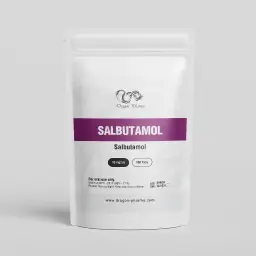
Beta-2 Adrenergic Agonist
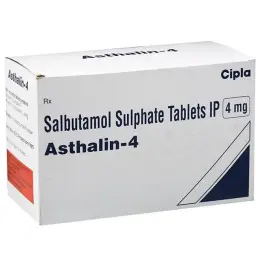
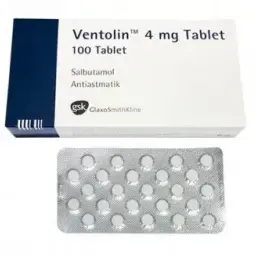
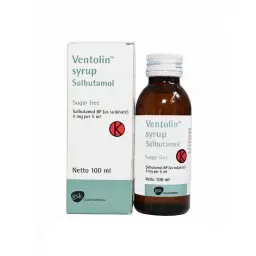
Short-Acting Beta-2 Adrenergic Agonist
The Salbutamol category brings together available products containing this short-acting beta-2 adrenergic agonist, commonly known as Albuterol in the United States. Salbutamol is primarily associated with bronchodilation and relief of reversible airway narrowing. Browse available products and compare labeled strengths, dosage forms, package quantities, manufacturers, published laboratory testing, pricing and USA Domestic or International warehouse availability.
Salbutamol is available in different pharmaceutical forms. Check the dosage form, labeled strength and package quantity on each individual product listing.
Products can differ in strength, formulation, package quantity and manufacturer even when they contain the same active pharmaceutical ingredient.
Where laboratory reports are available, individual product pages provide access to measured results, testing dates and reported batch information.
Salbutamol products may be stocked in the USA Domestic Warehouse, International Warehouse or both depending on current inventory.
Salbutamol is a short-acting beta-2 adrenergic receptor agonist primarily used as a bronchodilator. In the United States, the same active pharmaceutical ingredient is generally known as Albuterol.
Salbutamol is not an anabolic-androgenic steroid, thyroid hormone or conventional fat-loss supplement. Its primary pharmacological activity involves beta-adrenergic receptors, particularly those associated with smooth muscle in the airways.
Salbutamol and Albuterol refer to the same active pharmaceutical ingredient. Salbutamol is the name commonly used internationally, while Albuterol is the name generally used in the United States.
This naming difference can make product catalogs and medical references appear to describe two separate medicines when they are actually referring to the same substance.
Brand names, dosage forms and labeled strengths can still differ, so individual product specifications should be checked when comparing available options.
Salbutamol primarily stimulates beta-2 adrenergic receptors. Activation of these receptors in bronchial smooth muscle promotes relaxation of the airways and produces bronchodilation.
This mechanism explains why Salbutamol is commonly associated with rapid relief of bronchospasm in appropriate respiratory conditions.
Beta-2 selectivity does not mean the medicine acts exclusively on the lungs. Systemic adrenergic effects can occur, particularly as exposure increases.
Salbutamol is widely used medically for the prevention and relief of bronchospasm associated with reversible obstructive airway conditions.
Its relatively rapid bronchodilator action is why short-acting beta-2 agonists are commonly described as rescue or reliever medicines in appropriate respiratory treatment plans.
The underlying respiratory condition still matters. Frequent or increasing reliance on a short-acting bronchodilator can indicate that respiratory disease is not adequately controlled and warrants appropriate medical assessment.
Salbutamol and Clenbuterol both interact with beta-2 adrenergic receptors, but they are separate substances with important differences in duration of action, medical use and regulatory status.
Salbutamol is a short-acting bronchodilator with established human respiratory uses. Clenbuterol is longer acting and is not FDA-approved for human use in the United States.
The two substances should therefore not be treated as interchangeable simply because both have beta-2 agonist activity. Their pharmacokinetics, clinical applications and safety considerations differ.
When browsing Salbutamol products, useful comparison points include the dosage form, labeled strength, package quantity, manufacturer, current price, warehouse location and published laboratory testing where available.
Products containing the same active ingredient can still differ substantially in formulation and manufacturer-specific specifications. Review the complete product listing rather than comparing products by packaging or price alone.
The way Salbutamol strength is expressed depends on the pharmaceutical form. Oral products may list an amount per tablet, while inhaled formulations use specifications appropriate to the amount delivered through the device.
The numerical strength should therefore always be interpreted together with the dosage form and unit of measurement. Two differently formulated Salbutamol products cannot be meaningfully compared from the number on the package alone.
Selected Salbutamol products may have published laboratory reports that provide an additional reference point when comparing the labeled specification with the measured result reported for a submitted sample.
Where testing is available, review the identified active substance, measured result, testing date and reported batch number. If multiple reports have been published, results from different batches or testing dates can be reviewed individually.
Each laboratory report applies to the submitted sample identified in that analysis. A result from one sample does not independently verify every unit, package or future production batch.
Salbutamol can appear in sports and fitness discussions because airway function can directly affect exercise capacity in people with respiratory conditions. Appropriate treatment of exercise-induced bronchospasm is different from using a beta-2 agonist solely in an attempt to enhance performance or alter body composition.
A person who experiences wheezing, chest tightness, coughing or unusual shortness of breath during exercise may require evaluation for an underlying respiratory condition rather than assuming the symptoms are simply a consequence of poor fitness.
Athletes competing under anti-doping rules should also be aware that rules concerning beta-2 agonists can depend on the substance, route of administration and applicable competition regulations.
Because beta-adrenergic signaling can influence metabolic processes, Salbutamol sometimes appears in bodybuilding and physique discussions involving fat loss or cutting.
That context should be separated from its established role as a bronchodilator. Salbutamol is not primarily a weight-management medicine, and systemic adrenergic activity can affect the cardiovascular and nervous systems as well as metabolism.
The presence of a pharmacological effect related to energy expenditure does not establish that non-medical use is effective, necessary or safe. This category therefore does not provide Salbutamol fat-loss cycles or dosing protocols.
Salbutamol is pharmacologically different from thyroid hormones such as Levothyroxine (T4) and Liothyronine (T3), even though these substances may sometimes appear within the same broader physique or fat-loss catalog.
Salbutamol acts primarily through beta-adrenergic receptors. T3 and T4 instead act through thyroid-hormone signaling and regulate numerous aspects of normal endocrine physiology.
Similar commercial category placement therefore does not mean these substances work through comparable mechanisms.
Salbutamol's beta-adrenergic activity can affect the cardiovascular system as well as the airways. Potential effects can include increased heart rate and palpitations.
Cardiovascular response can depend on the amount absorbed, formulation, individual sensitivity, underlying health and other medicines or stimulants being used.
Significant chest pain, severe palpitations, fainting or other concerning cardiovascular symptoms warrant appropriate medical evaluation rather than being treated as expected stimulation.
Tremor is a characteristic adverse effect associated with beta-2 agonists. Nervousness, headache and other adrenergic symptoms can also occur.
These effects demonstrate that beta-2 selectivity is relative rather than an indication that the medicine acts only in the respiratory system.
Individual response varies, and stronger subjective stimulation should not be interpreted as evidence of a more desirable therapeutic or metabolic effect.
Beta-2 agonists can influence the movement of potassium between the bloodstream and cells. As a result, Salbutamol can contribute to lower blood potassium levels in some circumstances.
This becomes particularly relevant with substantial systemic exposure or when other medical factors also affect electrolyte balance. Electrolyte changes can have cardiovascular consequences and should not be viewed separately from the overall safety profile of beta-adrenergic medicines.
Salbutamol is a pharmacologically active medicine. Potential adverse effects include tremor, nervousness, headache, increased heart rate and palpitations.
More significant cardiovascular effects can occur in susceptible individuals or with excessive exposure. Beta-2 agonists can also affect potassium levels and interact with other medicines.
The safety profile can depend on dosage form, exposure, cardiovascular health, respiratory condition and concurrent medication use. A formulation intended for one route of administration should not be assumed to be equivalent to another.
A published laboratory report can provide information about an analyzed product sample but does not establish that taking Salbutamol is medically appropriate or safe for an individual. This category is intended for product identification and comparison and does not provide individualized respiratory, performance or weight-loss dosing guidance.
No. Salbutamol is not an anabolic-androgenic steroid. It is a beta-2 adrenergic receptor agonist primarily associated with bronchodilation.
Its appearance in some bodybuilding or physique-related catalogs comes from interest in beta-adrenergic effects rather than androgen-receptor activity.
This distinction helps separate Salbutamol from substances such as Testosterone, which belong to an entirely different pharmacological class.
Salbutamol products may be available from the USA Domestic Warehouse, the International Warehouse, or both. Available manufacturers, formulations, strengths and stock levels can differ between warehouse locations.
For delivery within the United States, USA Domestic shipments typically take 4–5 business days after dispatch, while International Warehouse shipments typically take 15–20 business days after dispatch.
Delivery estimates begin after dispatch and do not include order processing time. Additional delivery, tracking and reship information is available on the Shipping Information page.
Bitcoin and other supported cryptocurrencies are available at checkout. When comparing Salbutamol products, review the manufacturer, dosage form, labeled strength, package quantity, current price, available laboratory reports and warehouse location.
Payment options and warehouse availability do not determine whether Salbutamol is medically appropriate for an individual. Where the store's separate crypto discount applies, eligibility depends on the current pricing status of the product.

