


Dutasteride Products
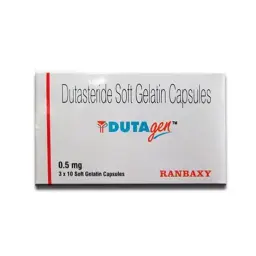
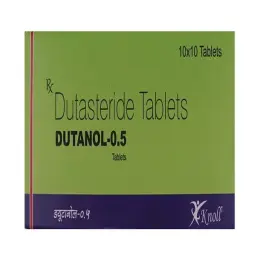
Dutasteride is commonly supplied in oral formulations. Check the labeled strength, dosage form and total package quantity on each individual product listing.
5-Alpha-Reductase Inhibitor
Browse Dutasteride products and compare labeled capsule or tablet strengths, package quantities, manufacturers, published lab reports and current USA Domestic or International Warehouse availability.
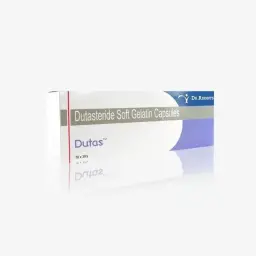

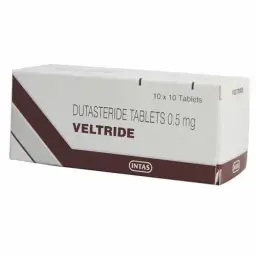
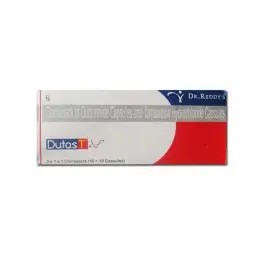
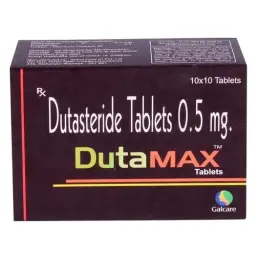

5-Alpha-Reductase Inhibitor
The Dutasteride category brings together available products containing this 5-alpha-reductase inhibitor. Dutasteride reduces the conversion of testosterone to dihydrotestosterone (DHT) and is pharmacologically distinct from anabolic steroids, aromatase inhibitors and SERMs. Browse available products and compare labeled strength, package quantity, manufacturer, published laboratory testing, pricing and USA Domestic or International warehouse availability.
Dutasteride is commonly supplied in oral formulations. Check the labeled strength, dosage form and total package quantity on each individual product listing.
Products can differ in labeled strength, package quantity, dosage form and manufacturer even when they contain the same active pharmaceutical ingredient.
Where laboratory reports are available, individual product pages provide access to measured results, testing dates and reported batch information.
Dutasteride products may be stocked in the USA Domestic Warehouse, International Warehouse or both depending on current inventory.
Dutasteride is a prescription medicine belonging to the 5-alpha-reductase inhibitor class. It inhibits enzymes responsible for converting testosterone into dihydrotestosterone (DHT), an androgen involved in several tissues including the prostate and hair follicles.
Dutasteride is not an anabolic-androgenic steroid and does not work by blocking androgen receptors. Instead, it changes androgen metabolism by reducing the enzymatic formation of DHT from testosterone.
The enzyme 5-alpha-reductase converts testosterone into DHT. Dutasteride inhibits this process, resulting in substantial reductions in circulating and tissue DHT.
DHT is a potent androgen, but reducing it does not simply remove an unwanted hormone. DHT participates in normal androgen physiology, so inhibiting its production can produce effects beyond the particular condition for which Dutasteride is prescribed.
This mechanism also distinguishes Dutasteride from aromatase inhibitors. Aromatase and 5-alpha-reductase are different enzymes involved in different hormone-conversion pathways.
Dutasteride and Finasteride belong to the same general class of 5-alpha-reductase inhibitors, but they are separate medicines with important pharmacological differences.
One key distinction is enzyme inhibition. Dutasteride inhibits both type I and type II 5-alpha-reductase, while Finasteride primarily inhibits type II. As a result, Dutasteride generally produces a greater reduction in circulating DHT.
The two medicines also differ in pharmacokinetics, approved indications and other characteristics. They should therefore not be treated as interchangeable simply because both reduce DHT.
Dutasteride should not be confused with aromatase inhibitors such as Anastrozole. Both affect hormone metabolism, but they target different enzymes and produce different endocrine effects.
Dutasteride inhibits 5-alpha-reductase and reduces conversion of testosterone to DHT. Anastrozole inhibits aromatase and reduces the conversion of androgen precursors into estrogens.
Reducing DHT and reducing estrogen are therefore not equivalent strategies, and products from these two drug classes should not be treated as interchangeable ancillary medications.
When browsing Dutasteride products, useful comparison points include the exact active ingredient, labeled strength, dosage form, package quantity, manufacturer, current price, warehouse location and published laboratory testing where available.
Products containing Dutasteride can use different manufacturer-specific branding and packaging. Checking the complete product specification provides a more reliable comparison than relying on branding or package appearance alone.
The labeled strength identifies the amount of Dutasteride stated in each capsule or tablet, depending on the product format. Package quantity separately identifies the total number of units supplied.
Two Dutasteride products can therefore contain the same active substance while differing in labeled strength, dosage form or package quantity. These specifications should be reviewed separately when comparing available products.
Selected Dutasteride products may have published laboratory reports that provide an additional reference point when comparing the labeled specification with the measured result reported for a submitted sample.
Where testing is available, review the identified active substance, measured result, testing date and reported batch number. If multiple reports have been published, results from different batches or testing dates can be reviewed individually.
Each laboratory report applies to the submitted sample identified in that analysis. A result from one sample does not independently verify every capsule, tablet, package or future production batch.
Dutasteride has an established medical role in the treatment of benign prostatic hyperplasia (BPH), a condition involving enlargement of the prostate gland.
By reducing DHT formation, Dutasteride can reduce androgenic stimulation of prostate tissue. Clinical treatment is based on appropriate diagnosis and medical assessment rather than DHT reduction being pursued as an objective by itself.
Dutasteride has also been investigated and used in other androgen-related contexts, but regulatory approval can differ according to indication and country.
DHT plays an important role in androgenetic alopecia in genetically susceptible hair follicles. Because Dutasteride substantially inhibits DHT production, it is frequently discussed in relation to male-pattern hair loss.
However, regulatory approval for hair-loss treatment varies by country, and reducing DHT does not guarantee a particular hair-growth response. Hair loss can also have causes unrelated to androgenetic alopecia.
Product availability should therefore not be interpreted as establishing that Dutasteride is appropriate for an individual's hair loss without determining the underlying cause.
Dutasteride is sometimes discussed alongside anabolic-androgenic steroids because certain androgens can undergo 5-alpha reduction, and DHT is associated with androgen-sensitive tissues such as the scalp and prostate.
However, Dutasteride should not be viewed as a general-purpose blocker of androgenic effects. Its mechanism specifically involves inhibition of 5-alpha-reductase, and anabolic compounds do not all depend on conversion through this enzyme.
In particular, a 5-alpha-reductase inhibitor does not simply neutralize the androgenic activity of every anabolic steroid. For that reason, this category provides information about Dutasteride rather than recommending steroid combinations or ancillary-use protocols.
Dutasteride is a pharmacologically active prescription medicine and can cause clinically significant adverse effects. Reported effects can include changes in libido, erectile or ejaculatory function and other reproductive or sexual effects.
Dutasteride also affects prostate-specific antigen (PSA) levels, which is relevant when PSA is being interpreted as part of prostate evaluation. Healthcare professionals should know about Dutasteride use when evaluating PSA results.
Because Dutasteride has a long elimination half-life, its pharmacological effects can persist after treatment is discontinued. This distinguishes it from medications that are eliminated much more rapidly.
Pregnancy-related precautions are also important because exposure to Dutasteride can pose a risk to a developing male fetus. Product-specific handling warnings and prescribing information should be followed.
A published laboratory report can provide information about the analyzed product sample but does not establish that taking Dutasteride is medically appropriate for an individual. This category is intended for product identification and comparison and does not provide individualized dosing or hormone-management protocols.
One notable pharmacokinetic characteristic of Dutasteride is its long elimination half-life. This means the drug can remain in the body for an extended period compared with many other oral ancillary medications.
A long half-life is relevant both to its sustained pharmacological activity and to consideration of adverse effects. Stopping the medication does not necessarily mean that its biological effects disappear immediately.
This characteristic is also one of the important differences between Dutasteride and Finasteride and should be considered separately from tablet or capsule strength.
Dutasteride products may be available from the USA Domestic Warehouse, the International Warehouse, or both. Available manufacturers, strengths and stock levels can differ between warehouse locations.
For delivery within the United States, USA Domestic shipments typically take 4–5 business days after dispatch, while International Warehouse shipments typically take 15–20 business days after dispatch.
Delivery estimates begin after dispatch and do not include order processing time. Additional delivery, tracking and reship information is available on the Shipping Information page.
Bitcoin and other supported cryptocurrencies are available at checkout. When comparing Dutasteride products, review the manufacturer, labeled strength, dosage form, package quantity, current price, available laboratory reports and warehouse location.
Where the store's separate crypto discount applies, eligibility depends on the current pricing status of the product. Already discounted products should not automatically be assumed to qualify for an additional discount.

